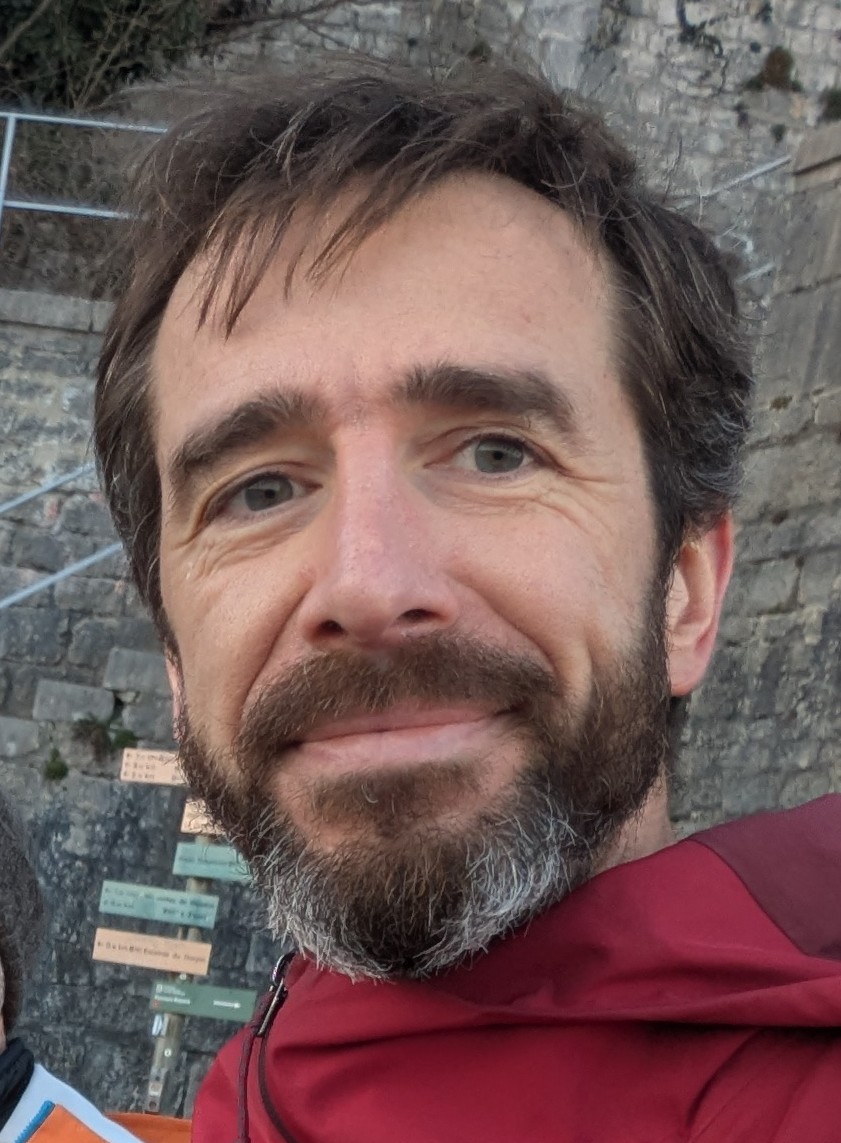
Where Task Matter is coming from
We are defined by what we do, both in relation to others, and in relation to ourselves. A year ago, what I was doing, or more exactly not doing, became a mental health issue for me.
My story is both banal and existential. Like many in the big tech sector, I burned out. I didn’t understand at first what was happening to me. I was not over-worked, enjoyed the technical challenges, and had great colleagues. I understood later that my burnout was a little more complex. It was due to a disconnect between work I thought mattered, and reality.
My employer at the time was LinkedIn, though the employer itself is irrelevant, the context did matter. I was a software engineer in a big tech company, working in a satellite engineering office here in Dublin, while most of engineering was located in the SF Bay Area. Following a reorg and team change, my colleagues, projects and org dynamic had all changed. I found myself working on a core service used widely across all systems. The online service ran reasonably well. My focus was on an area that desperately needed investment, the data ingestion flow. The thing about data ingestion is that it’s never a blocker. Even if the data is stale, systems continue to run. Restarting sustained investment and getting buy-in on a data ingestion project is not easy. It needs proper lobbying, ROI discussions, and technically challenging design work. The technically challenging work did appeal to me, but not the lobbying and ROI discussions. When meeting SF-based colleagues from Dublin, these discussions compete with personal time. Up to that point in my career, I had always prioritised personal time. Was prioritising lobbying discussions for this project going to be worth it? My gut and bones were telling me no, it was not. When I realised that the project I was working on didn’t matter to my hierarchy, and that I wasn’t ready to fight for it, I felt a profound emptiness. This piled onto the long list of exciting projects that got cancelled over the years. I do good work, engineers around me do great work, but it doesn’t matter, metrics end up not justifying the investment. I felt like whatever I was doing didn’t matter. This is true in the Grand Scheme of Things, but it is very wrong in the Grand Scheme of Me. My manager and doctor told me this was a burnout.
During my recovery, I found myself craving to achieve things that mattered to me again. I spent more time with my boys, travelled, did sport, studied, meditated. And I also thought about software. Software can be an incredible tool to help us achieve our goals. We tend to want to see AI as something that does things for us. But it is also incredibly helpful at guiding us to do the things we want to do, ourselves. That manager/coach/project management side of AI is being explored, but far from having been solved. What managers, coaches, project managers do today gives an idea of the sort of service that would benefit us. But as always with AI, it can both do a lot more than humans, and be completely unable to fill other aspects of the role. And AI is far from perfect. It can be misleading. It can do a lot of harm by mistake, or through malicious use. Where there are unsolved benefits and challenges, there is a business opportunity. And the AI benefits happened to be exactly what I needed to help me create the business itself. Exploring that direction sounded like a lot of fun.
After my leave, I eventually did return to LinkedIn as an employee. Time difference aside, working for a large US internet company is undeniably a huge privilege on many aspects of what a good job looks like. I did feel better, even enjoying working on a new project. But that time away had broken a mental barrier, creating a world of possibles outside big tech. Maybe small tech was also an option. All I could think of was the need to be free to make, and own. The fact AI was becoming more and more capable only increased the pull of simply going for it. So I ultimately did pull the plug, and plugged it somewhere that gave me a lot more energy.
Comments
Comments use GitHub Discussions. You’ll need a GitHub account. Threads can also be accessed from the imatter repo.